Introduction: The Nigerian Power Problem and the Solar Opportunity
For independent professionals, small business owners, and households across Nigeria, the electricity situation has long been a daily crisis rather than a manageable inconvenience. Average grid supply in many Nigerian cities has hovered below four hours per day for years — and in some states, below two. Transformer failures can leave a neighbourhood without power for weeks. Voltage fluctuations destroy sensitive equipment. Fuel costs for generator backup run into tens of thousands of naira every month.
Against this backdrop, solar power has moved from a luxury option to a rational economic investment for anyone who can access the capital. Nigeria sits between 4° and 14° North latitude, receiving between 3.5 and 7.0 peak sun hours per day across the country — among the highest solar resources in the world. A well-designed solar system in Abuja, Lagos, Kano, or Port Harcourt will produce energy reliably for 20–25 years with minimal maintenance, displacing both grid uncertainty and generator fuel costs.
This guide is intended for those who are seriously considering going solar — whether for a home, a small office, or a commercial premises — and want to understand the technology, the options, and the real-world considerations involved before signing any contract.
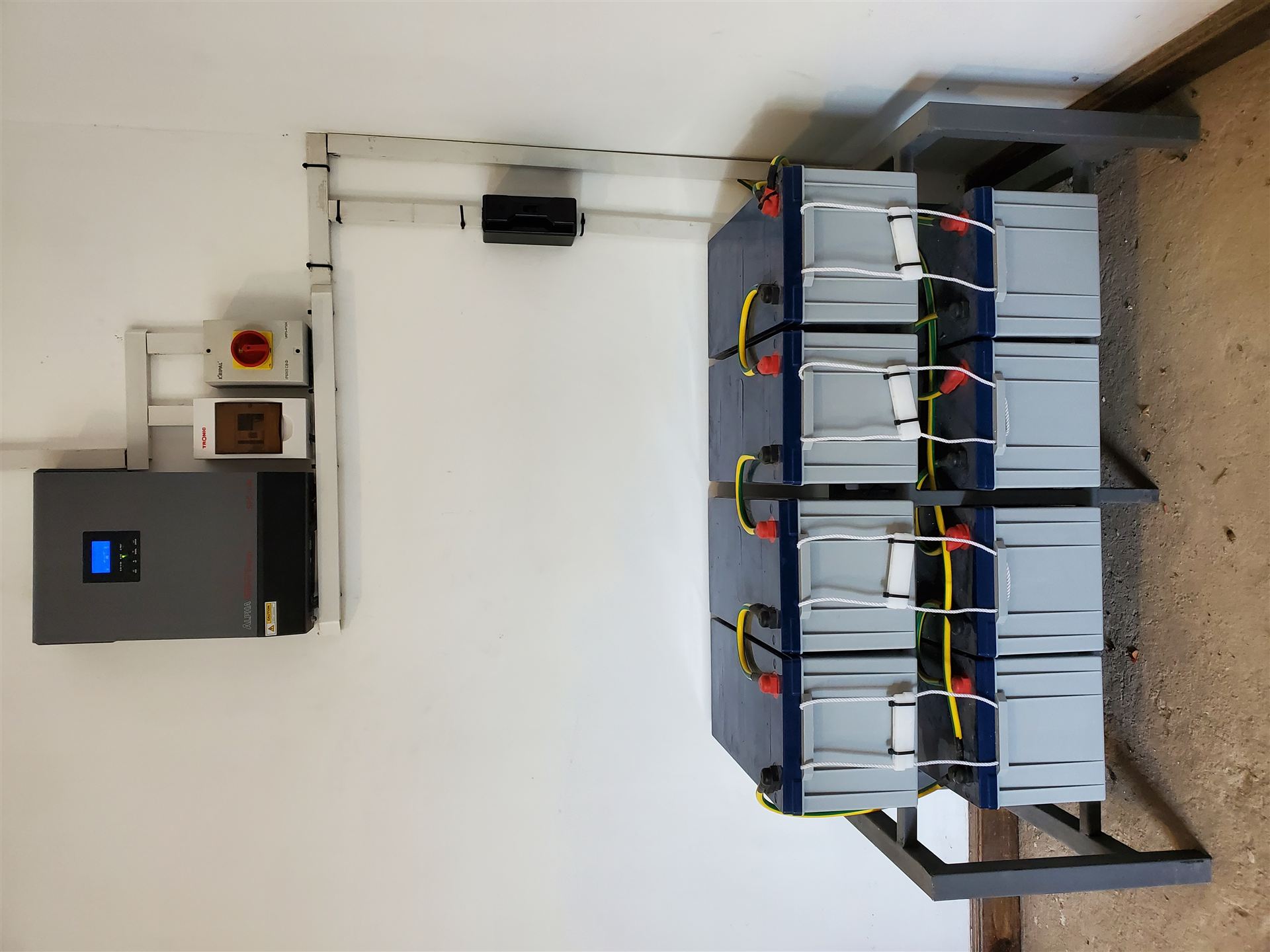
1. The Benefits of Going Off-Grid with Solar
The case for solar in Nigeria goes beyond environmental idealism. For most users, the driver is purely economic and practical — and the numbers increasingly make sense.
Energy independence and reliability
A properly sized solar system with battery storage delivers power on your schedule, not NEPA's. Office equipment runs continuously without the disruption of load shedding. Refrigeration and cold chains function 24 hours. Security systems stay active. Sensitive electronics are no longer at risk from erratic grid voltage. For professionals working from home, for clinics, for schools, and for small manufacturers, the productivity and safety benefits of reliable power are immediate and quantifiable.
Long-term cost reduction
The economics of solar in Nigeria have never been stronger. Generator fuel costs — typically ₦40,000–₦120,000 per month for a small office running 10–18 hours per day — accumulate to millions of naira over the life of a generator, which itself requires regular servicing and eventual replacement. A solar system, amortised over 15–20 years, typically delivers electricity at 20–40% of the equivalent generator cost per kilowatt-hour, even accounting for battery replacement cycles. The upfront cost is substantial, but the payback period for a typical Nigerian system is now commonly in the range of 3–6 years.
Environmental and health benefits
Generator exhaust is a significant source of air pollution and carbon monoxide hazard in urban Nigerian neighbourhoods. Solar eliminates engine noise, exhaust fumes, and the risk of carbon monoxide poisoning from improperly placed generators — all of which are genuine health and safety concerns. From a carbon perspective, solar replaces petrol and diesel combustion with zero-emission generation throughout its operational life.
Property value and business credibility
A solar installation increases the value of the property it serves. For commercial premises, guaranteed power supply is increasingly a differentiator in a market where clients and tenants expect operational continuity. For data centres, health facilities, hospitality, and financial services, uninterrupted power is a compliance and contractual requirement that solar can reliably fulfil.
2. Requirements Before You Start
Going solar is not a transaction you walk into blindly. A serious installation requires preparation, professional consultation, and honest assessment of your specific situation before any equipment is purchased.
Site assessment
Your installer should conduct a physical site visit — not provide a quote over the phone. Key factors include: roof area, orientation, and structural integrity (solar panels add weight); shading from trees, neighbouring buildings, or telecommunications masts; the distance from panels to the inverter and battery bank (longer DC cable runs increase losses and cost); existing wiring condition; and available space for battery and inverter installation. In Nigeria's climate, inverter rooms and battery enclosures need to be well-ventilated to prevent heat degradation.
Professional installation only
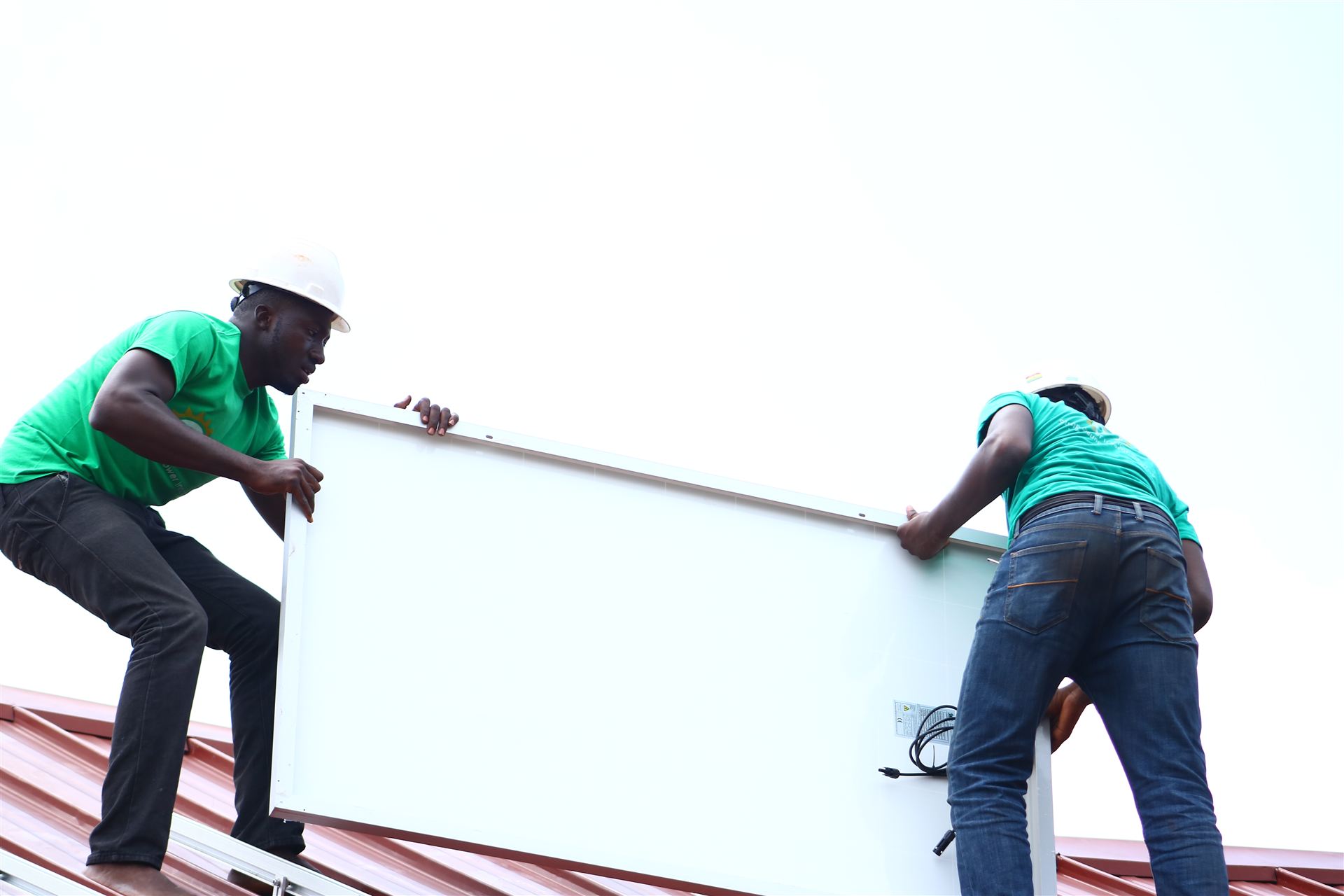
Solar installations involve high-voltage DC electricity — which, unlike AC, does not have a zero-crossing point that naturally extinguishes arcs. A wiring fault in a DC solar system can sustain an arc long enough to start a fire. Installation must be carried out by competent, experienced professionals with verifiable track records. Request references, ask to see completed installations, and verify that your installer uses appropriate cable ratings, fusing, and earthing practices. A cheap installation is rarely a cheap investment in the long run.
Financial planning
Expect the total installed cost of a quality off-grid or hybrid solar system in Nigeria to range from ₦2.5 million for a basic 2kW residential system to ₦25 million or more for a 10kW commercial installation with lithium battery storage. These figures include panels, inverter, batteries, charge controllers, cabling, mounting structures, and installation labour. Do not attempt to penny-pinch on cable sizing, fusing, or battery quality — these are the components most likely to cause failure or fire if substandard.
Grid interaction decision
Before designing a system, decide your relationship with the grid. A fully off-grid system operates entirely independently of NEPA supply and is sized to meet all loads from solar and stored energy alone. A hybrid system is connected to both the grid and solar, using grid supply opportunistically when it is available and solar/battery otherwise. For most Nigerian urban users, a hybrid approach is more practical and cost-effective, allowing the system to charge batteries from grid during periods of supply and reducing the battery bank size needed for security of supply.
3. Load Auditing and Power Factor: Know What You Actually Need
The most important step in solar system design — and the one most often skipped or done superficially — is the load audit. A load audit is a systematic inventory of every electrical appliance and device in your premises, how much power it consumes, and how many hours per day it runs. The output of a load audit directly determines the size of every component in your solar system.
Conducting a load audit
List every load in your home or business. For each item, record the nameplate wattage (usually printed on a sticker on the appliance or in the manual), and estimate the realistic daily hours of use. Where possible, use a plug-in energy meter to measure actual consumption rather than relying on nameplate figures, which are often peak values rather than average running values. The product of watts and daily hours gives watt-hours per day (Wh/day), which is the fundamental energy demand figure the system must be sized to supply.
A typical example for a small professional office might look like this:
| Appliance | Qty | Unit Watts (W) | Total Watts (W) | Hours/Day | Wh/Day |
|---|---|---|---|---|---|
| LED ceiling lights | 12 | 9 W | 108 W | 8 | 864 |
| Ceiling fans | 4 | 55 W | 220 W | 10 | 2,200 |
| Desktop computers | 3 | 120 W | 360 W | 9 | 3,240 |
| Laptop computers | 4 | 65 W | 260 W | 9 | 2,340 |
| Laser printer | 1 | 400 W | 400 W | 0.5 | 200 |
| Refrigerator (upright) | 1 | 150 W | 90 W* | 24 | 2,160 |
| LED TV (43") | 1 | 75 W | 75 W | 4 | 300 |
| Network router + switch | 1 | 30 W | 30 W | 24 | 720 |
| Security cameras (4x) | 1 NVR | 60 W | 60 W | 24 | 1,440 |
| Phone chargers | 6 | 10 W | 60 W | 4 | 240 |
| Subtotal before diversity factor | 13,704 | ||||
| Diversity/inefficiency factor (×1.20) | 2,741 | ||||
| Design Energy Demand | ~16,445 Wh/day | ||||
*Refrigerator applies a ~60% duty cycle — the compressor does not run continuously. Consult appliance data sheets for accurate duty cycles.
Understanding power factor
Power factor (PF) is one of the most misunderstood — and most practically important — concepts in solar system sizing, and its neglect is a common cause of undersized inverters. To understand it, consider that electrical power comes in two forms: real power (measured in kilowatts, kW), which does useful work, and apparent power (measured in kilovolt-amperes, kVA), which is the total power the supply must provide to deliver that real power. Power factor is the ratio between the two:
Power Factor (PF) = Real Power (kW) ÷ Apparent Power (kVA)
A PF of 1.0 means all supplied power is doing useful work — pure resistive loads such as incandescent lights and electric heaters. A PF of 0.8 means 80% of supplied power is doing useful work and 20% is reactive, circulating uselessly in the system.
Inductive loads — motors, compressors, air conditioners, refrigerators, pumps, fluorescent lights with magnetic ballasts — all have power factors below 1.0, typically between 0.6 and 0.85. This means your inverter must have a higher kVA rating than the total kW of your inductive loads would suggest. An inverter rated at 5,000 VA (5 kVA) can only deliver about 3,500–4,000 W of real power to a load with PF = 0.7–0.8.
Always size your inverter by its VA rating, not just its watt output, and ensure the VA rating exceeds your total connected load at the expected power factor. Additionally, motors — including refrigerator compressors, pumps, and air conditioner start-up — draw 3 to 7 times their running current at start-up (inrush current). Your inverter must have sufficient surge capacity to handle these start-up spikes without tripping. Always check and communicate your air conditioner tonnage and pump motor ratings to your installer.
Rule of thumb for Nigerian solar system sizing: multiply your daily Wh demand by 1.25 to account for inverter inefficiency and battery losses. Size your inverter VA to 1.5× your maximum simultaneous running load to accommodate power factor and motor surge. Size your battery bank to cover 1.5–2 days of autonomy (no sun) at 50% depth of discharge for lead-acid, or 1 day at 80% DoD for lithium.
4. System Components: A Complete Overview
A complete solar power system is an integrated assembly of components, each of which must be correctly specified, sized, and installed for the system to perform safely and reliably. Understanding what each component does — and what the options are — puts you in a position to evaluate quotes intelligently and hold your installer accountable.
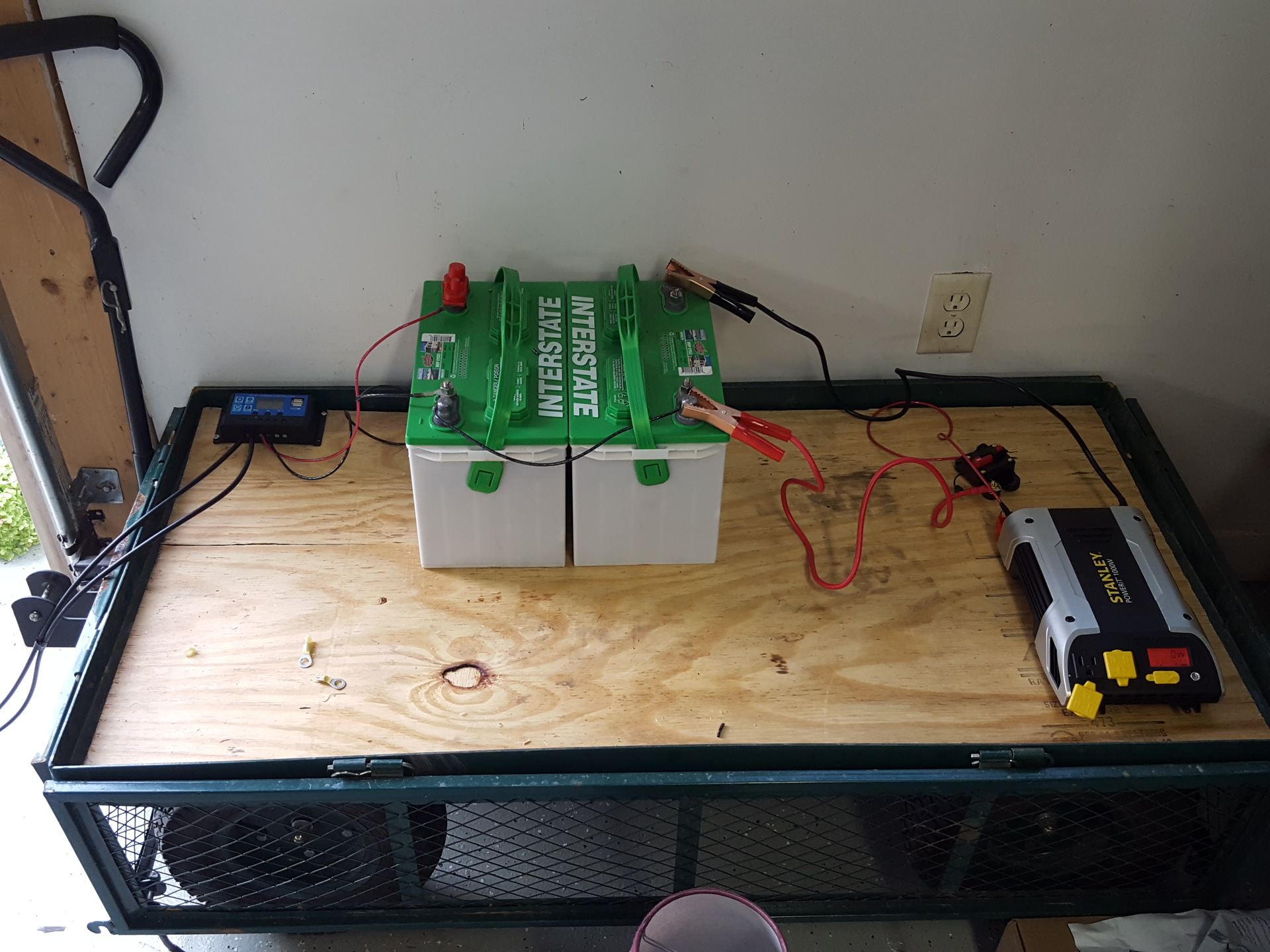
The primary components of a solar power system are:
- Solar PV panels — convert sunlight to DC electricity
- Charge controller — regulates DC power from panels to batteries (MPPT or PWM)
- Battery bank — stores energy for use when there is no sunlight
- Inverter — converts battery DC to usable AC power; in hybrid systems, also manages grid and loads
- DC and AC distribution boards — switchgear, fusing, and circuit protection
- Earthing, surge protection, and monitoring systems
- Mounting structures — rooftop racking or ground frames for panels
- Cabling and connectors — sized appropriately for current and voltage levels
5. Solar Panels: Monocrystalline vs Polycrystalline
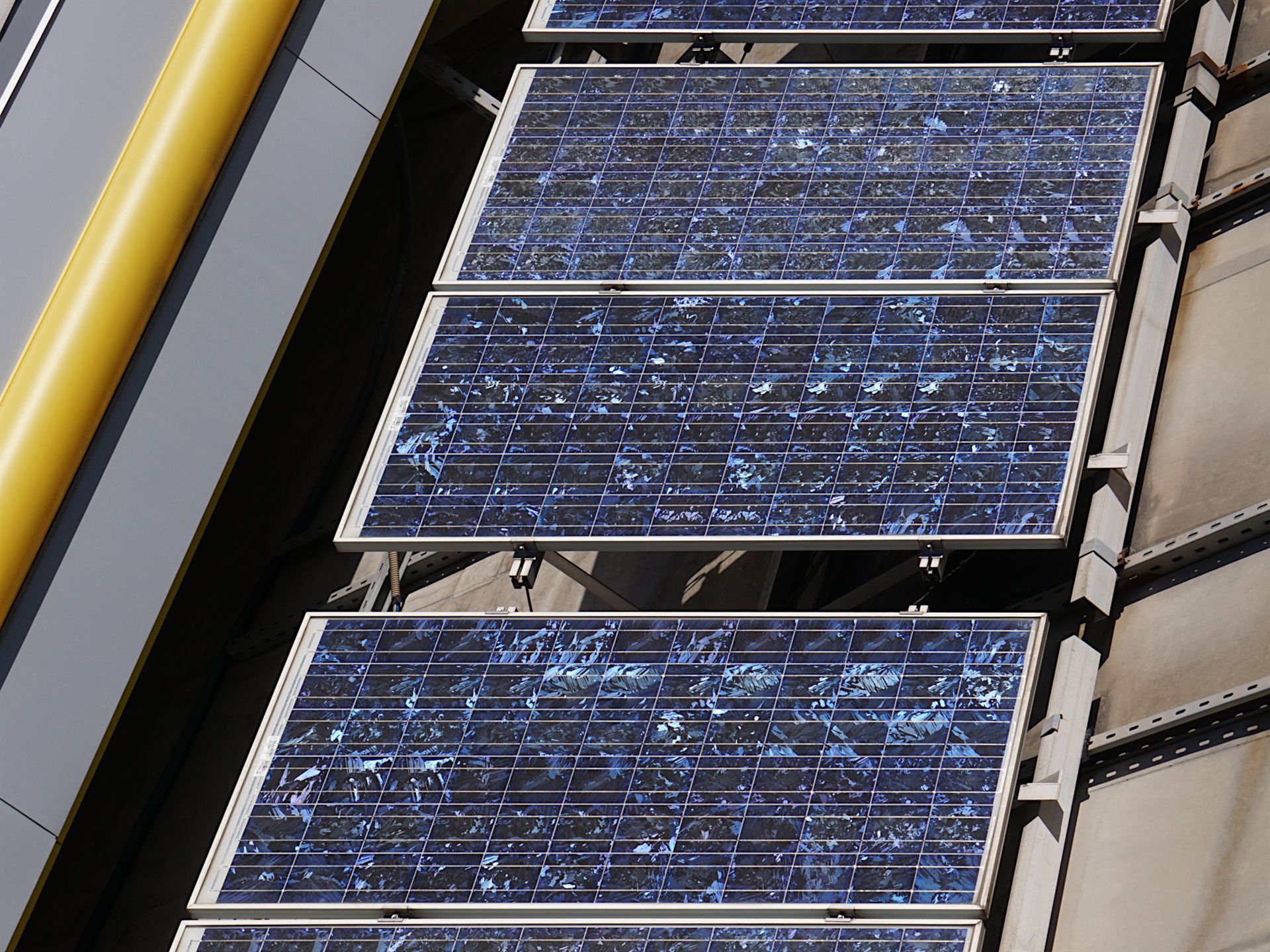
Solar photovoltaic panels convert sunlight directly into DC electricity through the photovoltaic effect. All mainstream commercial panels use silicon as the semiconductor material, but differ in the crystalline structure of that silicon — with important consequences for efficiency, appearance, cost, and performance characteristics.
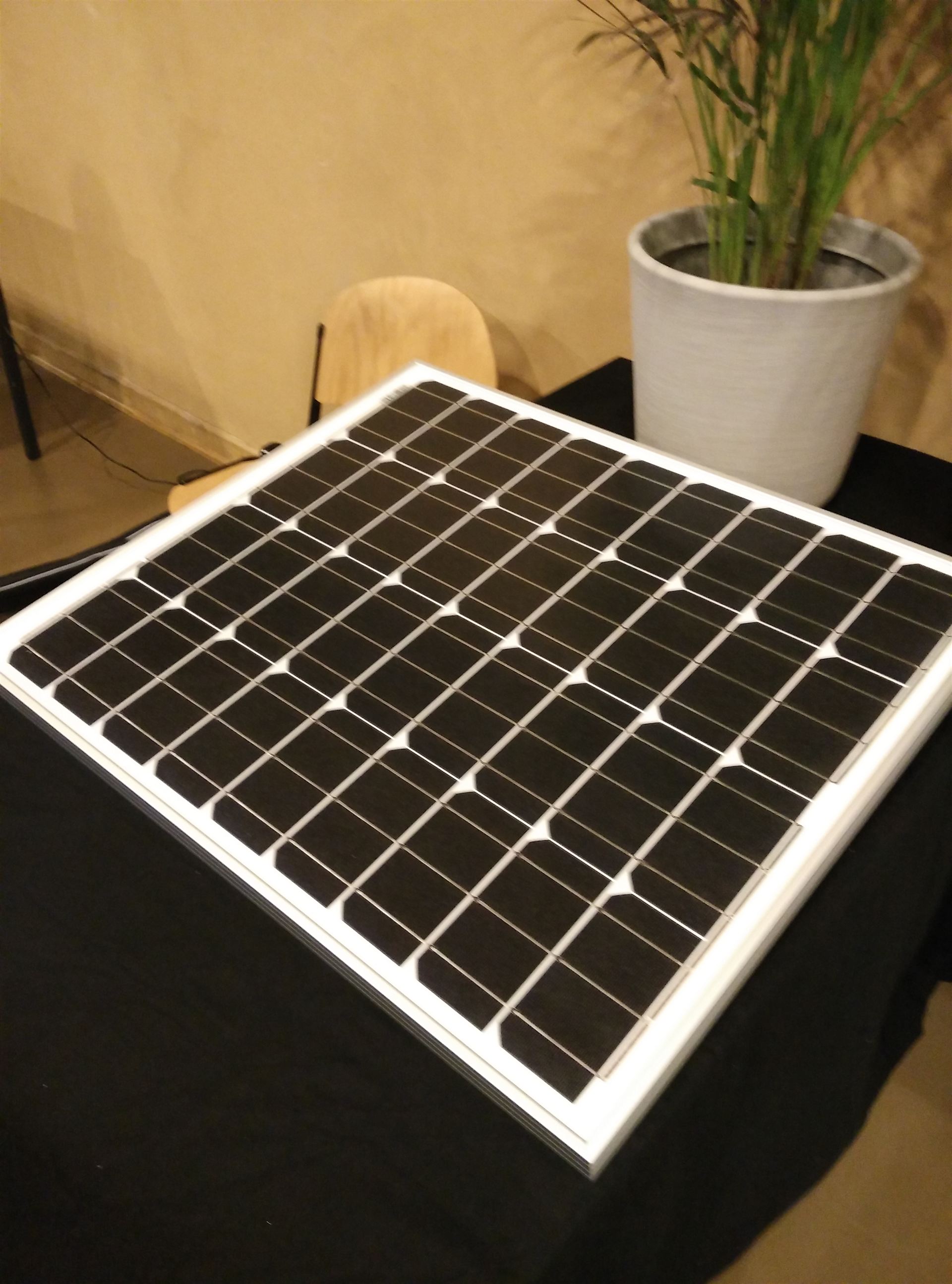
Single-crystal silicon cells
- Efficiency: 18–22% (best commercial), up to 24%+ (premium)
- Appearance: uniform dark black or dark blue cells, rounded corners
- Better performance in high temperatures — lower temperature coefficient
- Better low-light and diffuse irradiance performance
- More compact — produces more watts per m² of roof space
- Slightly higher unit cost per watt-peak (Wp)
- Higher embodied energy in manufacture
- Best for: limited roof space, high-ambient-temperature climates (Nigeria), long-term investment
Multi-crystal silicon cells
- Efficiency: 15–17% (mainstream commercial)
- Appearance: characteristic blue speckled pattern from multiple crystals
- Slightly better performance under diffuse (cloudy) light conditions
- More tolerant of slight manufacturing variations
- Lower unit cost per panel
- Requires more roof area for equivalent output
- Performance degrades faster at high cell temperatures
- Best for: larger roof areas, budget-sensitive installations, rural off-grid
For the Nigerian context — high ambient temperatures, intense direct solar irradiance, and often limited roof area — monocrystalline panels are generally the better choice, particularly for urban residential and commercial installations. The premium over polycrystalline panels has narrowed considerably as monocrystalline production has scaled, and the efficiency advantage translates directly to fewer panels needed, lower mounting structure costs, and better performance during the hottest hours of the day.
A newer technology, monocrystalline PERC (Passivated Emitter Rear Cell) panels, is now the mainstream commercial offering from reputable manufacturers — brands including Jinko Solar, LONGi, Canadian Solar, and REC — offering efficiencies of 20–22% and excellent temperature performance. Avoid no-name panels with unverifiable specifications; counterfeit and substandard panels are common in the Nigerian market.
Panel wattage is measured under Standard Test Conditions (STC): 1,000 W/m² irradiance at 25°C cell temperature. In Nigerian conditions, cell temperatures routinely reach 50–65°C, which reduces output by 10–20% relative to the nameplate STC rating. Factor this into your sizing — it means your 400 Wp panels may only deliver 320–360 W in the hottest part of the day. This is another argument for monocrystalline panels, which have a more favourable temperature coefficient.
6. Inverters: Hybrid vs Non-Hybrid, and Voltage System Options
The inverter is the brain of your solar power system. It converts the DC electricity stored in your batteries into the 230V AC power your appliances use, and in more sophisticated configurations it manages the interaction between solar panels, batteries, the grid, and your loads. Inverter selection has more consequence for system performance and long-term satisfaction than almost any other component choice.
Low voltage vs high voltage DC systems
Solar systems are categorised by the voltage of the DC bus — the electrical backbone connecting panels, batteries, and inverter. Most residential and small commercial systems operate at low voltage DC (LV-DC): 12V, 24V, or 48V. Larger commercial and industrial systems use high voltage DC (HV-DC) string configurations of 100–1,000V or more.
Very Small Systems
Up to ~600W inverter capacity. Suitable for basic lighting and phone charging only. High current means thick, expensive cables and significant losses. Not recommended for general use.
Small Residential
1–2 kW systems. Suitable for basic home backup — lights, fans, TV, small devices. Manageable cable sizing, moderate efficiency. Adequate for very light loads or budget rural systems.
Standard Residential/SME
3–10 kW systems. The most practical voltage for Nigerian homes and small offices. Lower current = smaller cables, less heat loss, better efficiency. Lithium battery packs and most quality hybrid inverters are 48V.
Commercial/Industrial
10 kW+ systems. String voltages of 100–1,000V DC. Highly efficient, less copper. Requires specialist equipment and installation. Dangerous — must only be handled by trained professionals.
For the vast majority of Nigerian residential and SME users, 48V is the correct system voltage. It is safe to work with (below the IEC low-voltage threshold for DC), supported by the widest range of quality inverters and battery products, and efficient enough that cable losses are manageable at typical installation distances.
Non-hybrid (off-grid) inverters
A standard off-grid inverter does one job: it takes DC from the battery bank and converts it to AC for your loads. It does not communicate with the grid, cannot charge batteries from grid supply, and does not manage panel input (that is handled separately by the charge controller). These inverters are simpler, typically cheaper, and reliable when correctly sized. They are the right choice for genuinely remote off-grid sites with no grid connection — rural clinics, telecom towers, agricultural facilities — where simplicity and robustness matter more than grid integration.
The limitation in urban Nigeria is that they cannot take advantage of occasional grid supply for battery top-up. When your batteries are low after a cloudy day, a non-hybrid system simply discharges until the panels can recharge — which may take another day. A separate battery charger can be added, but this increases cost and complexity.
Hybrid inverters
A hybrid inverter integrates solar input management, battery charge control, grid interaction, and load supply in a single unit. When the grid is available, it can charge batteries from grid supply. When solar is generating, it prioritises solar to power loads and charge batteries. When neither is available, it discharges batteries. It can be configured to prioritise solar and battery over grid, or to use grid as primary supply with solar and batteries as backup — or any combination. Most hybrid inverters offer programmable charging schedules, allowing you to charge from the grid during off-peak periods when grid is available.
For Nigerian urban and suburban users, a hybrid inverter is almost always the right choice. The ability to use NEPA supply opportunistically — even intermittently — substantially reduces the battery bank size needed to maintain security of supply, reducing upfront cost. Popular and reliable hybrid inverter brands in the Nigerian market include Victron Energy (Energy MultiPlus II, Quattro — premium), Growatt (SPF/MIN/SPA series), Deye, Sunsynk, PowMr, and Felicity Solar. Victron products offer exceptional monitoring and remote management capability; Growatt and Deye offer strong value at lower price points.
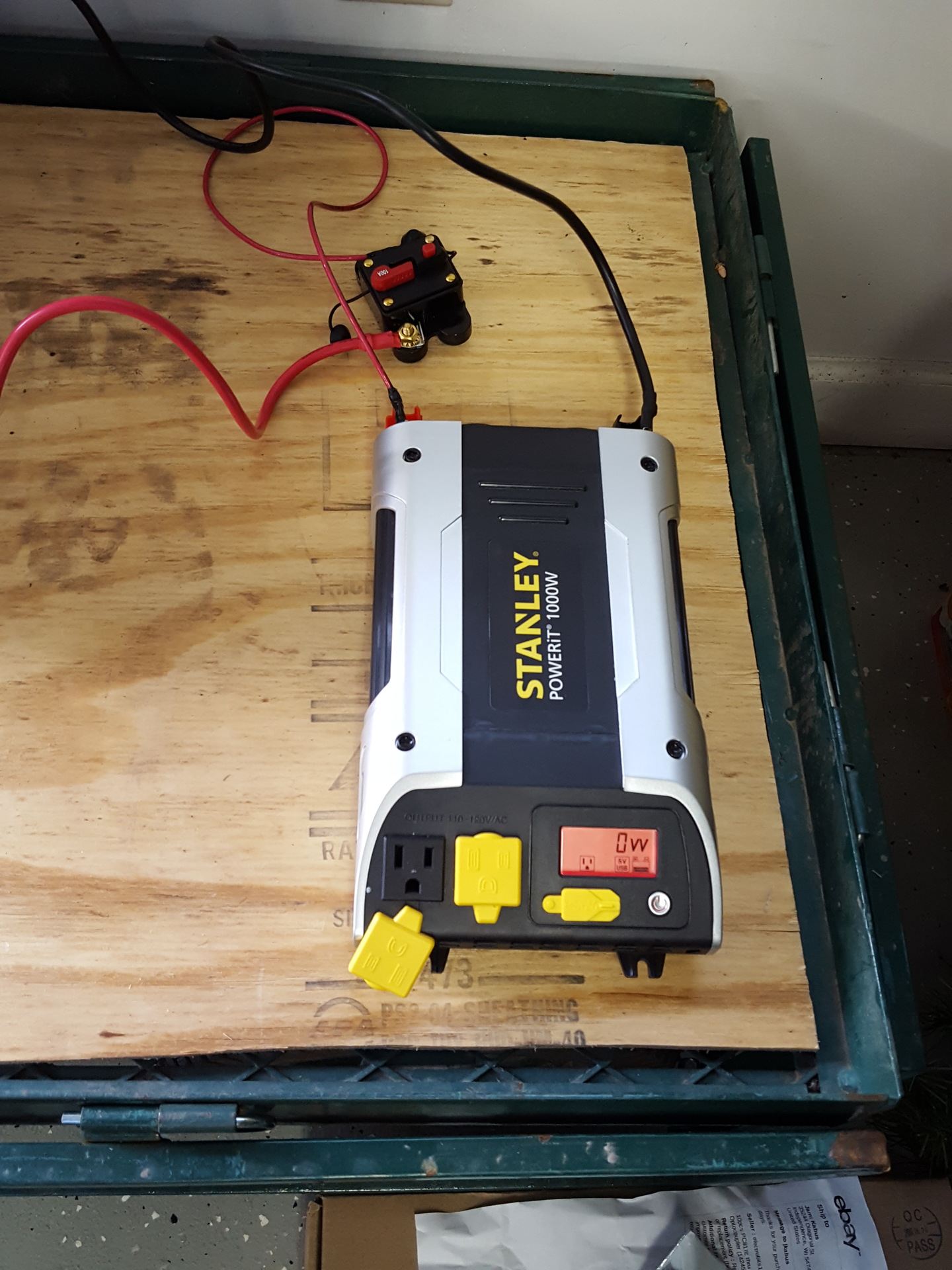
Inverter surge rating matters: When an air conditioner, pump, or refrigerator compressor starts, it briefly draws 3–7 times its running current. An inverter rated at 5 kVA continuous must have a surge rating of at least 10–15 kVA to start a 1.5 HP pump motor reliably. Always verify the surge capacity specification before purchase — not all manufacturers are honest about this figure.
7. Batteries: Sealed Lead-Acid vs Flooded vs Lithium
The battery bank is the most expensive and most technically complex element of an off-grid or hybrid solar system, and it is the component with the shortest lifespan — meaning battery selection has a significant impact on the total lifetime cost of your installation. Three battery chemistries dominate the Nigerian market.
| Property | Flooded Lead-Acid (FLA) | Sealed Lead-Acid (AGM/Gel) | Lithium Iron Phosphate (LiFePO₄) |
|---|---|---|---|
| Usable depth of discharge | ~50% DoD recommended | ~50–60% DoD recommended | 80–90% DoD |
| Cycle life (to 80% capacity) | 300–700 cycles | 400–800 cycles | 2,000–6,000 cycles |
| Maintenance requirement | High — monthly water topping | None — sealed maintenance-free | None — BMS managed |
| Ventilation required | Yes — hydrogen gas during charging | Minimal — only under overcharge | No — no outgassing |
| Weight | Very heavy | Heavy | ~30–40% lighter than equivalent lead-acid |
| Self-discharge rate | ~5% per month | 3–5% per month | <2% per month |
| Charge efficiency | 70–85% | 80–85% | 95–99% |
| High-temperature tolerance | Moderate — accelerates self-discharge | Moderate | Good — BMS manages thermal limits |
| Upfront cost (relative) | Low | Medium | High (2–4× lead-acid per kWh) |
| Lifetime cost per kWh cycled | High (short cycle life) | Medium | Lowest (long cycle life) |
| Safety considerations | Hydrogen gas, acid spill risk | Sealed — less acid risk | LiFePO₄ is chemically stable — safest Li chemistry |
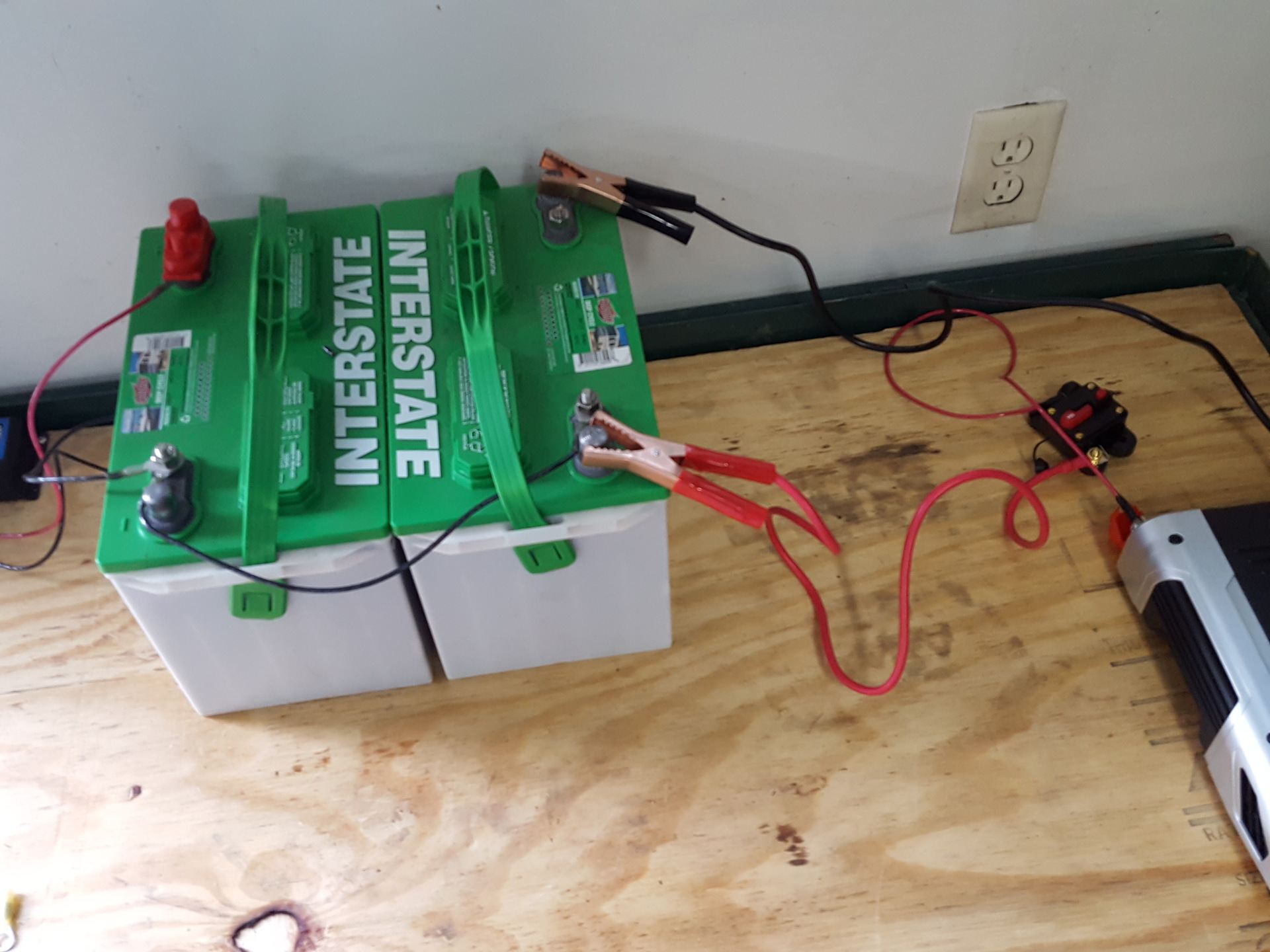
Flooded Lead-Acid (FLA)
FLA batteries are the traditional workhorse of off-grid solar installations. They are the cheapest per kilowatt-hour of storage capacity upfront, and they are widely available across Nigeria. The trade-off is significant: they require monthly maintenance (checking and topping up electrolyte with distilled water), must be housed in a well-ventilated enclosure to safely vent hydrogen gas produced during charging, and have the shortest cycle life of the three chemistries — typically 2–5 years in a typical Nigerian solar application, depending on depth of discharge discipline and ambient temperature management.
If you choose FLA batteries, insist on deep-cycle solar-grade FLA batteries — not automotive starter batteries, which are designed for a single high-current discharge and will fail rapidly in a solar cycling application. Use only 50% depth of discharge to maximise lifespan, and establish a strict monthly maintenance routine.
Sealed Lead-Acid: AGM and Gel
Absorbent Glass Mat (AGM) and Gel batteries are sealed variants of lead-acid technology. The electrolyte is immobilised — in a fibreglass mat in AGM, or in a silica gel in Gel batteries — eliminating the need for watering and substantially reducing hydrogen gas venting under normal operation. They can be installed in any orientation and in enclosed spaces, are more vibration-resistant than FLA, and perform somewhat better at high discharge rates (AGM) or in temperature-sensitive applications (Gel).
For residential Nigerian installations where maintenance commitment is a concern and budget is constrained, AGM batteries offer a practical middle ground. However, their cycle life is still limited relative to lithium, and they are sensitive to overcharging — which is why proper charge controller settings are critical. AGM batteries that have been repeatedly overcharged or deep-discharged will fail rapidly.
Lithium Iron Phosphate (LiFePO₄)
LiFePO₄ — often marketed simply as "LiFePO4" or "LFP" — is the lithium chemistry specifically suited to solar storage applications. Unlike the lithium cobalt oxide chemistry used in consumer electronics (which can catch fire), LiFePO₄ is thermally and chemically stable, making it the safe choice for building-mounted battery storage. It offers dramatically superior performance compared to lead-acid in every operational dimension: 2,000–6,000 cycles (versus 300–800 for lead-acid), 80–90% usable depth of discharge (versus 50%), 95–99% round-trip efficiency (versus 70–85%), no maintenance, and no outgassing.
The upfront cost is 2–4 times higher per kWh than lead-acid, but when you calculate the cost per usable kWh cycled over the battery's lifetime, lithium is almost always cheaper. A quality LiFePO₄ battery pack with a built-in Battery Management System (BMS) will deliver 10+ years of reliable service in a Nigerian installation — outlasting 2–3 replacement cycles of lead-acid batteries. For any installation where the budget allows, LiFePO₄ is the recommended choice. Popular brands in Nigeria include Pylontech, Felicity, Voltronic, and CATL-based packs from various system integrators.
Never mix different battery chemistries, brands, ages, or capacities in the same battery bank. Mismatched batteries charge and discharge unevenly, accelerating the failure of the weakest cells and degrading overall bank capacity. If expanding an existing battery bank, match new batteries exactly to existing ones — or replace the entire bank.
8. Charge Controllers: MPPT vs PWM
The charge controller sits between your solar panels and your battery bank, regulating the current flowing from panels to batteries to prevent overcharging while extracting maximum energy from the panels. Two types are in common use: Pulse Width Modulation (PWM) and Maximum Power Point Tracking (MPPT).
PWM controllers are simpler and cheaper. They work by switching the connection between panels and batteries rapidly, effectively throttling current when batteries approach full charge. Their limitation is that they can only work efficiently when the panel voltage closely matches the battery voltage — which means you cannot series-connect panels to raise string voltage. For small, simple systems with a close panel-to-battery voltage match, PWM is adequate.
MPPT controllers are significantly more sophisticated and more efficient. They continuously track the maximum power point of the solar array — the voltage and current combination at which the array produces the most power — and use DC-to-DC conversion to deliver that power to the battery at the battery's charging voltage. MPPT controllers can harvest 20–30% more energy from the same array compared to PWM, especially in sub-optimal conditions (early morning, late afternoon, partial cloud). They also allow higher-voltage panel strings to charge lower-voltage batteries — for example, a 96V panel string charging a 48V battery bank — which reduces cable losses. For any system above 1 kW, MPPT is strongly recommended. In hybrid inverters, the MPPT function is typically integrated into the inverter itself.
9. Safety Measures: Non-Negotiable Precautions
Solar installations involve potentially lethal electrical hazards. DC electricity — particularly at the voltages and currents involved in solar systems — does not have the zero-crossing point that makes AC electricity more forgiving of accidental contact. A DC arc can sustain itself and ignite a fire; a DC shock can cause sustained muscle contraction that prevents the victim from releasing. Safety measures are not optional add-ons; they are engineering requirements.
DC Isolation and Fusing
Every battery bank must be fused at the battery terminals — as close to the battery as possible — with a fuse or DC circuit breaker rated for the maximum fault current. DC isolators must be installed on every solar string and on the battery connection to the inverter. These must be rated for DC voltage and current — AC-rated equipment must never be used in DC circuits.
AC Overcurrent Protection
All AC circuits fed from the inverter must be protected by appropriately rated miniature circuit breakers (MCBs) in a distribution board. The inverter output must never be connected directly to loads without overcurrent protection. Size MCBs to the cable rating, not the load rating.
Earth Leakage Protection (ELCB/RCD)
An Earth Leakage Circuit Breaker (ELCB) or Residual Current Device (RCD) rated at 30mA must be installed on the AC output of the inverter. This protects against the most common cause of electrocution in domestic and commercial electrical installations — earth faults in appliances and wiring.
Surge Protection Devices (SPD)
Lightning-induced surges are a significant risk in Nigeria's tropical thunderstorm environment. Surge Protection Devices (Type 1 + Type 2) must be installed on both the DC side (panel strings) and the AC side (distribution board). This is critical protection for inverters, which are expensive and vulnerable to surge damage.
System Earthing and Bonding
The entire system — panel frames, mounting structures, inverter chassis, battery enclosure, and AC distribution board — must be connected to a properly designed earthing system. In Nigerian soils, earth electrode resistance should be verified to be below 10 ohms. Poor earthing is a leading cause of equipment damage and shock risk.
Cable Sizing and Routing
All DC and AC cables must be sized for the maximum current they will carry, with appropriate safety margins. DC cables between batteries and inverter are particularly critical — they carry very high currents over short distances and must be thick, rated DC cables. Never use junction boxes, extension leads, or underrated cables in a solar installation. Route cables away from heat sources and sharp edges.
Battery Ventilation
Flooded lead-acid batteries produce hydrogen gas during charging — an explosive gas that accumulates in enclosed spaces. Battery rooms must have dedicated mechanical or natural ventilation to the outside. No open flames, sparks, or electrical switching should occur near FLA batteries. This requirement also applies to a lesser degree to AGM and Gel batteries under overcharge conditions.
Fire Suppression Equipment
A CO₂ or dry-powder fire extinguisher must be accessible in or near the inverter/battery room. Never use water on an electrical fire. Lithium battery fires — while rare with LiFePO₄ — require specialist intervention; alert your fire service if a LFP battery bank shows signs of thermal runaway (swelling, smoke, heat).
Anti-Islanding Protection
Hybrid inverters connected to the utility grid must have anti-islanding protection — a standard feature on all reputable hybrid inverters — to prevent the system from feeding power back into the grid when the grid is de-energised. Without this, line workers performing maintenance on a de-energised grid line may be exposed to backfed solar power, with potentially fatal consequences.
Never work on a live solar system without proper training and personal protective equipment. Even with the inverter switched off, the DC side of the system — panels, cables, and charge controller — remains live as long as there is sunlight. Treat all DC conductors as live at all times during daylight hours. For any maintenance requiring access to battery or DC connections, use insulated gloves rated for the system voltage, ensure the system is isolated at all disconnects, and work with a second person present.
10. Maintenance: Protecting Your Investment
A well-maintained solar system will perform reliably for 20+ years. A neglected one can fail in 2–3 years, often in ways that are expensive and potentially dangerous to repair. Most of the maintenance requirements are simple, inexpensive, and can be carried out by the user without specialist technical skills — but they must be done consistently.
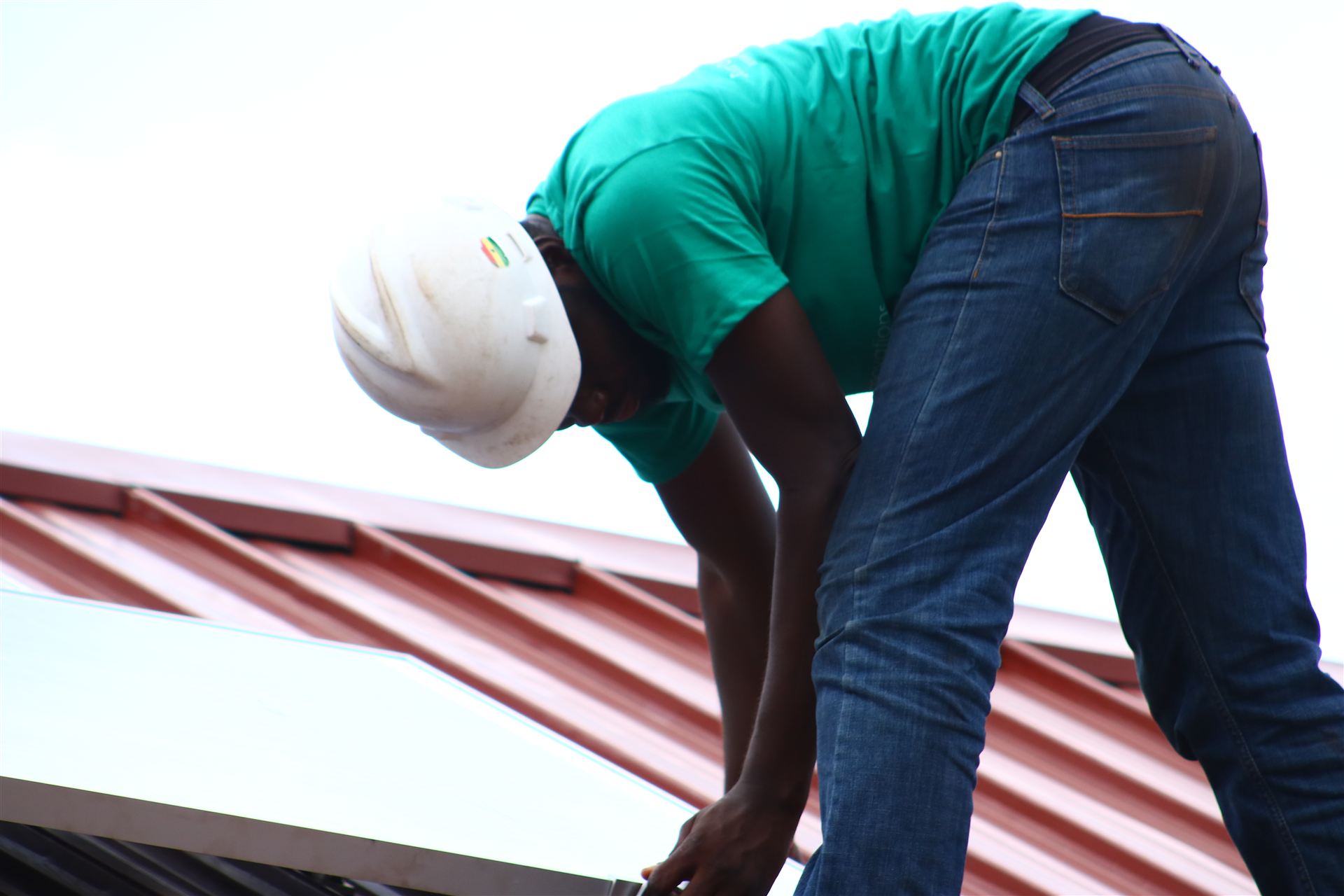
☀️ Solar Panels — Monthly
- Clean panel surfaces with soft cloth or low-pressure water — remove dust, bird droppings, and harmattan deposits
- Inspect panel frames and mounting hardware for corrosion or loosening
- Check for physical damage (cracked glass, delamination, discolouration)
- Verify shading — check for new obstructions (growing trees, new structures)
- Compare actual vs expected energy output from monitoring system
🔋 Lead-Acid Batteries — Monthly
- FLA only: check electrolyte level in each cell; top up with distilled water only — never tap water or acid
- Inspect terminals for corrosion (white or bluish deposits); clean with baking soda solution and wire brush
- Check and re-torque terminal connections — loose connections cause heat and arcing
- Measure specific gravity with a hydrometer to assess state of charge (FLA only)
- Every 3 months: perform an equalisation charge to balance cell voltages
🔋 Lithium Batteries — Quarterly
- Check BMS indicator lights and mobile app (if applicable) for any fault codes
- Inspect terminal connections for tightness and corrosion
- Verify battery enclosure ventilation is not blocked
- Review charge/discharge logs for unusual patterns (sudden capacity drop may indicate cell degradation)
- Ensure battery is not exposed to temperatures above manufacturer limits
⚡ Inverter and Charge Controller — Quarterly
- Clean cooling vents with dry compressed air or soft brush — blocked vents cause thermal shutdown and premature failure
- Check and update firmware (where applicable — most modern inverters support over-the-air or USB updates)
- Review event logs for fault codes, over-temperature events, or abnormal switching
- Verify charge controller settings match battery type and capacity (these can reset after firmware update)
- Check display readings against expected values for the current conditions
🔌 Electrical Connections — Bi-Annually
- Inspect all MC4 solar connectors for moisture ingress, discolouration, or looseness
- Check DC and AC cable insulation for UV degradation, rodent damage, or mechanical wear
- Verify earth connections at all bonded points — corrosion at earth bonds increases fault protection response time
- Test ELCB/RCD operation using the test button
- Inspect surge protection devices (SPD) — replace any that show indicator fault flags
📊 System Performance Monitoring — Ongoing
- Use your inverter's monitoring app (Growatt ShinePhone, Victron VRM, Deye SolarmanPV, etc.) to review daily energy generation
- Track generation against monthly solar resource — a drop of more than 15% suggests soiling, shading, or equipment fault
- Log battery state of charge trends — consistently failing to reach full charge suggests array underperformance
- Note any recurring fault codes or protective shutdowns for professional investigation
11. Challenges of Going Solar in Nigeria
A realistic assessment of off-grid solar in Nigeria must acknowledge the significant practical challenges that users face — not to discourage investment, but to allow realistic planning and risk mitigation.
Upfront capital cost
The single largest barrier to solar adoption in Nigeria is the upfront capital requirement. Quality solar systems are not cheap, and the temptation to cut costs through inferior components is strong. The consequences of doing so — battery failure in year 2, inverter fires, panel output degradation — are expensive and sometimes dangerous. Solar financing options — consumer loans, lease arrangements, and pay-as-you-go models — are gradually becoming available through providers such as Rensource, Lumos, and commercial bank green energy products, but remain limited and often costly.
Market quality and counterfeiting
The Nigerian solar market has a significant counterfeit and substandard product problem. Panels with fraudulent wattage ratings (physically identical to legitimate panels but producing 20–40% less power), batteries with misrepresented capacity, and inverters with inflated surge ratings are common. Insist on purchasing branded equipment from authorised distributors, request product documentation and serial numbers, and verify specifications with the manufacturer's website before purchase. Paying slightly more for verifiable quality is almost always the economically rational choice.
Thermal environment and component stress
Nigeria's tropical climate — ambient temperatures of 30–40°C in the dry season, sustained humidity during the rains — is hard on electronic components. Inverters generate heat during operation and need cool, well-ventilated rooms. Batteries perform below their rated capacity at elevated temperatures and age faster. Panels lose efficiency as cell temperature rises. System design must account for thermal management: shaded inverter rooms, adequate ventilation, and batteries positioned away from heat sources. These requirements add cost and complexity that are sometimes overlooked in installation quotes.
Skilled installer availability
The rapid growth of the Nigerian solar market has not been matched by a corresponding growth in the number of genuinely skilled installation professionals. Many persons operating as solar installers have insufficient electrical training to handle DC systems safely and correctly. Poor installation is a leading cause of early system failure and fire risk. Ask for certifications, verify experience with similar system sizes, and request to speak with previous clients before engaging an installer.
Grid interaction complications
Nigeria's grid quality — voltage fluctuations, frequency instability, and prolonged outages — can stress hybrid inverter grid-interaction circuitry. Quality hybrid inverters include wide AC input voltage and frequency tolerance settings for exactly this reason; configure these to match Nigerian grid characteristics (nominally 230V, 50 Hz, but routinely varying widely). Some users find it preferable to configure their hybrid system in generator mode rather than grid mode when connected to the Nigerian grid, to provide greater tolerance for voltage instability.
Solar in Nigeria: Honest Assessment
Strong Arguments For
- Exceptional solar resource — 5–7 peak sun hours/day
- Generator fuel costs eliminated or drastically reduced
- Genuine energy independence from unreliable grid
- 20–25 year panel lifespan with minimal degradation
- Lithium battery packs now offer 10+ year life cycles
- 3–6 year payback in most Nigerian urban contexts
- Health and safety improvement vs generator exhaust
- Property value enhancement
- Zero fuel cost once installed
Real Challenges to Plan For
- High upfront capital cost
- Market full of substandard and counterfeit products
- Shortage of genuinely skilled, trustworthy installers
- Thermal management demands in tropical climate
- Battery replacement cost within system lifetime
- Grid quality issues affecting hybrid inverter configuration
- Limited financing options for upfront cost
- Heavy loads (large AC, industrial motors) may require oversized systems
Conclusion: Is It Worth It?
The question every prospective solar user in Nigeria is ultimately asking is: given the upfront cost, the market risks, and the technical complexity, is it worth it? Based on the experience of thousands of Nigerian users who have made the transition — including the author of the original article that inspired this piece — the answer for most urban and peri-urban users is: yes, with conditions.
The conditions are these: invest in quality equipment from verifiable sources; engage qualified, experienced installers with references you can check; conduct a thorough load audit before sizing; choose a hybrid system if your location has any grid supply at all; and commit to the maintenance schedule your system requires. Do not cut corners on batteries, fusing, earthing, or surge protection.
Done right, a solar installation in Nigeria is not merely a backup power solution — it is a transformation in quality of life and business operational continuity. It removes the daily anxiety of wondering when NEPA will go and when it will return. It eliminates the noise, the fumes, the fuel runs, and the generator maintenance costs that characterise the alternative. For professionals who depend on continuous power for their work — as the original article author described — it can be among the best infrastructure investments they make.
The sun rises over every part of Nigeria, every day, with remarkable consistency. That energy is free. Whether you capture it effectively depends on the quality of the decisions you make before the first panel is mounted.